

Event videography: what actually happens on the day
A rundown of the actual logistics behind filming a live event, from the walkthrough before doors open to the audio problems nobody warns you about.
Filming a live event looks straightforward from the audience's side: a camera in the corner, maybe someone with a gimbal moving through the crowd. The reality involves a lot of decisions made in the hour before anything starts, and a lot of compromises made once it does. Nothing about a conference, product launch, or concert happens twice, so there's no reshoot if the lighting is wrong or the microphone picks up the air conditioning. Everything has to work the first time.

Getting there before the room is ready
A video crew usually arrives one to two hours before guests, while venue staff are still setting chairs and testing the PA system. That window is for walking the space: checking where the light comes from, how it changes once the ceiling lights are dimmed for a presentation, and where a camera can sit without blocking sightlines or fire exits. Sound is checked at the same time, because a room that sounds fine empty behaves completely differently once it fills with people and their conversations.
Why one camera never covers a conference properly
A single wide shot of a stage gets boring within two minutes and misses reaction shots, slide content, and close-ups of whoever is speaking. Most conference or launch coverage runs two to four cameras: a wide shot locked off on a tripod, a closer angle on the presenter, and one or two roaming cameras for the audience or a product on display. Someone has to track what each camera is seeing in real time, because if the wide shot and the close-up both frame the same moment, the edit has nothing to cut between.
The audio problem nobody sees coming
Video from a noisy conference hall is only usable if the audio is clean, and that part is easy to overlook until it goes wrong. A camera's built-in microphone picks up air conditioning, side conversations, and echo off a bare ceiling, so speakers get a lapel mic or a feed pulled straight from the sound desk instead. Event photography is often running in the same room at the same time, and a photographer moving between positions has to stay out of the video frame just as much as the video crew has to stay out of the photographer's shots, which takes more coordination than either job looks like it needs from the outside.
What clients get back, and when
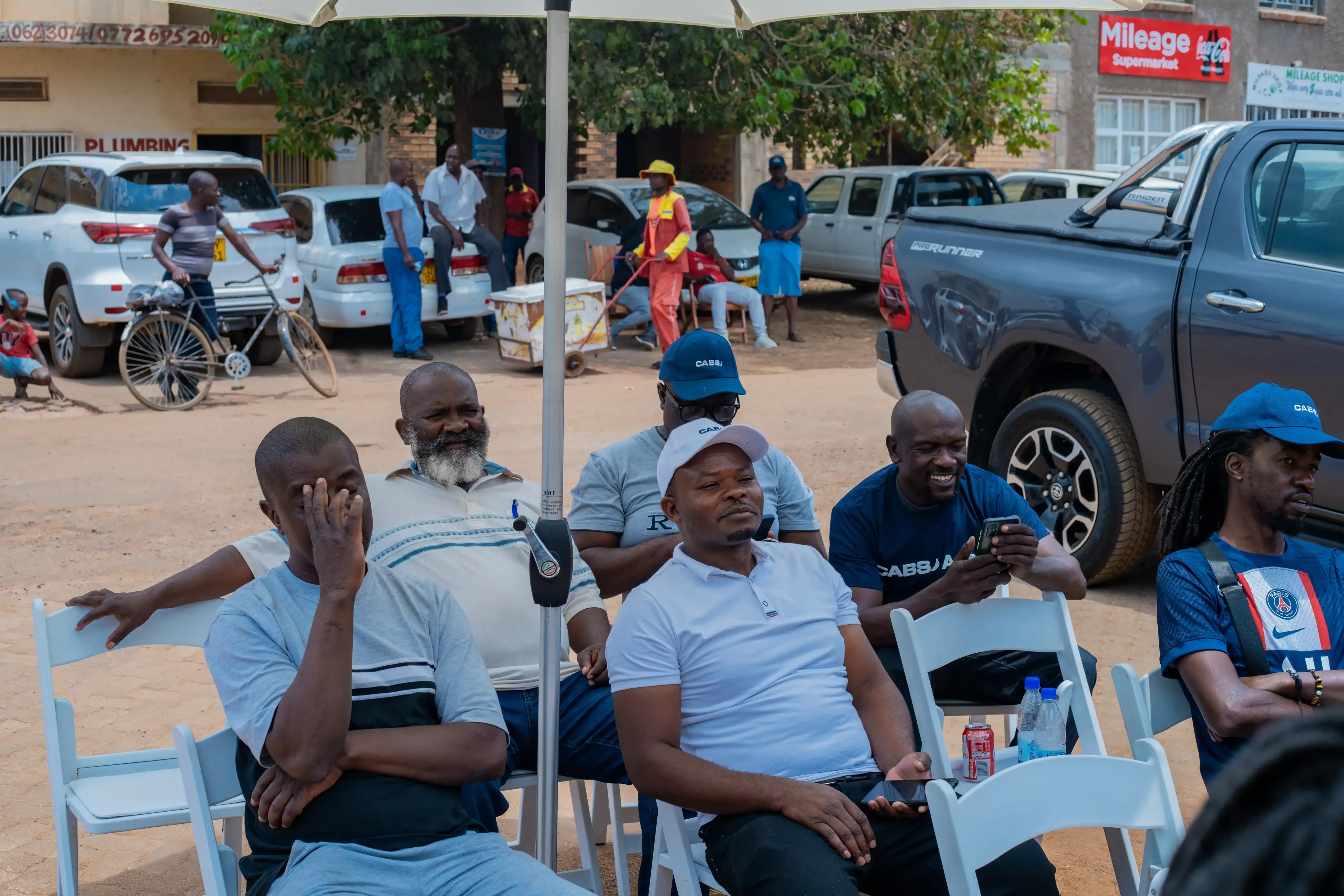
Clients generally expect a short highlight clip within a few days and the full edited coverage within a week, which shapes how footage gets organized and logged on site rather than after the fact. Tigzozo Media has covered corporate events in Harare for clients including CABS, and event coverage is one of the services offered alongside photography, so the two are often booked and run together on the same day.