

Music video production: from concept to final cut
A short music video is one of the most compressed production schedules in video work, and getting it right starts long before anyone presses record.
A music video looks effortless when it's finished: three or four minutes of images cut tight to a song. What audiences don't see is the planning that decides almost everything before a camera turns on, and the discipline it takes to protect that plan once the shoot day starts moving faster than expected. The song exists first. Everything visual has to answer to it.
Building a concept around the song, not around what looks good
A concept starts with listening to the track on repeat until its mood is obvious: is it a ballad that wants stillness and close framing, or an upbeat track that needs movement and cuts? Locations get chosen to match that mood and the artist's budget, since a single striking location often costs less than four mediocre ones and reads better on screen. Wardrobe follows the same logic: a handful of outfit changes that suit the story beats, not a wardrobe rack for its own sake.
The shoot day
A three-minute video can take ten or more hours to shoot, and most of that time goes into repetition rather than discovery: the same chorus performed a dozen times from different angles, the same walk down a street reshot because the light changed. Artists have to perform convincingly to a track playing on a speaker, take after take, long after the excitement of the first run-through has worn off. None of that shows in the final cut, which is the point.
Editing: syncing, grading, and where a cappella changes the job
In the edit, footage gets synced to the beat first, since a cut that lands even a frame off the rhythm is noticeable to anyone who has heard the song more than once. Color grading sets the emotional temperature of the video, and effects get added sparingly so they support the performance instead of distracting from it. A cappella tracks make this harder: with no instrumentation carrying the energy, the visuals have to do more of that work on their own, through movement, cutting rhythm, and performance.
What this looks like in practice
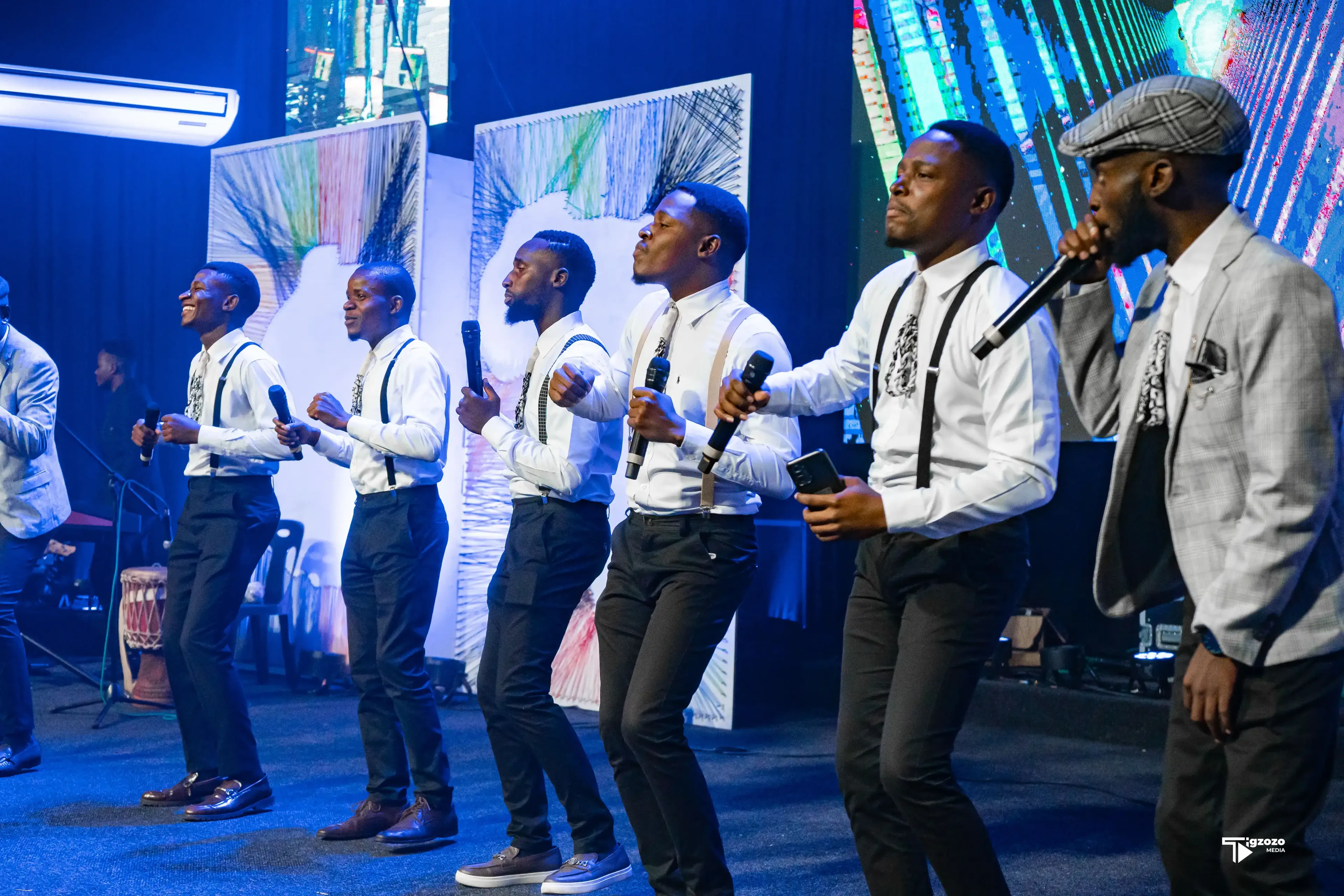
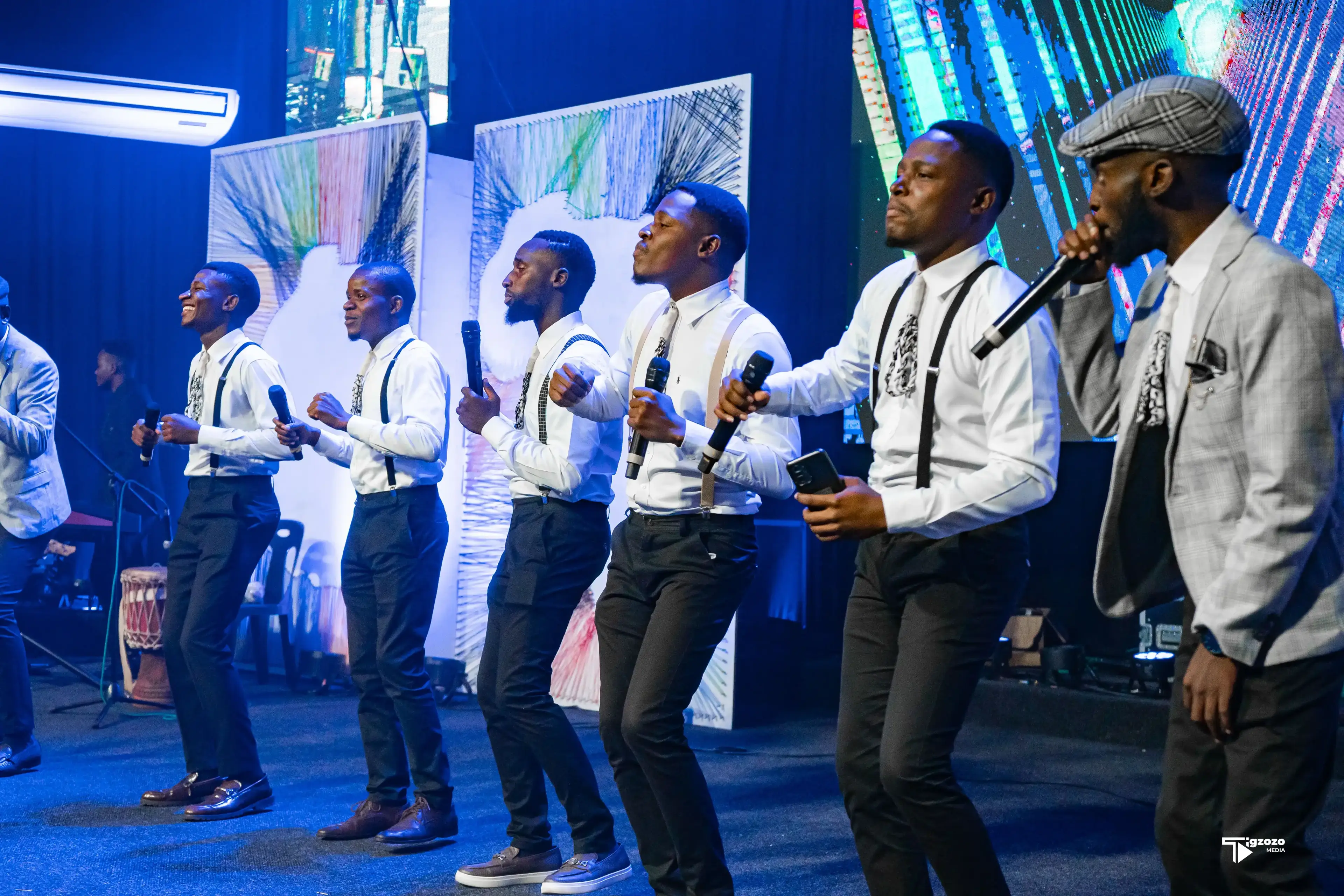
This is the process behind Tigzozo's music video work, including the "Unodei Music Video" for Radiance Acapella, an a cappella group whose track had no instrumentation to lean on visually, and the behind-the-scenes coverage of Stand Music 263's "Ramangwana" shoot for the Stand Music Concert project. Both required the same groundwork: a concept matched to the song, a long shoot day, and an edit built around the music.