

What corporate photography actually covers
Corporate photography is a wider brief than most companies assume, covering people, places, products and events across a business's public-facing life.
Most people hear "corporate photography" and picture a row of staff in front of a plain backdrop, chins slightly down, one forced smile per person. That is one part of the job, and often the smallest part. A company that photographs well across its whole operation, not just its executives, ends up with a visual record it can use for years: on its website, in job listings, in donor reports, in press coverage. The scope is wider than most businesses plan for, until they need an image and don't have one.

Headshots and team portraits
This is the most familiar category and still the most requested: individual headshots for leadership pages, staff directories and LinkedIn profiles, plus group portraits of departments or the whole company. Consistency matters more here than people expect. If the finance team was shot on a grey background one year and marketing gets shot against a window the next, the difference is obvious on a website's "our team" page, and it reads as neglect rather than variety. A proper session plans for growth too, since new hires need a headshot in the same style months or years later rather than a phone photo cropped to fit.
Facilities, products and events
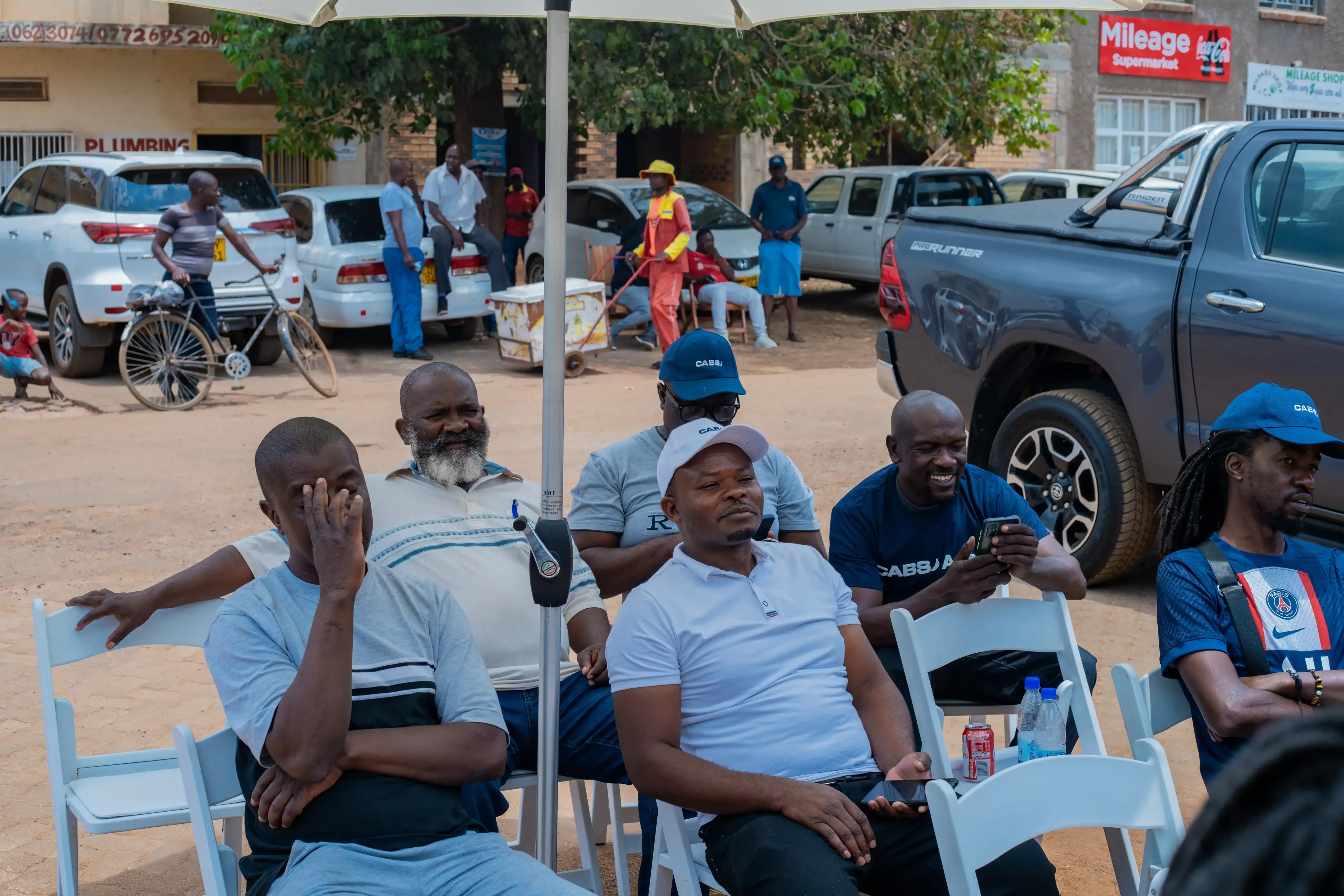
Beyond people, a company generally needs images of where it operates and what it does: office and facility photography for annual reports and investor materials, clean product photography for catalogues and e-commerce listings, and documentation of conferences, launches and site visits while they're actually happening. Event photography in particular gets treated as an afterthought, booked the week before with whoever is available, when in fact it produces some of the most reusable content a company has all year. Each of these categories has its own technical demands, since product shots need controlled lighting and often a studio setup, while facility photography needs someone who understands how a space is actually used day to day.
Why consistent photography matters more than companies assume
The reason this range matters is that all of it ends up in public, permanent places. A company's LinkedIn page is judged partly on whether its photos look coherent across years of posts, not just whether last week's post looks good on its own. An NGO's annual report is often the one document that donors and partners actually read cover to cover, and mismatched, low-resolution or outdated photography inside it undercuts the credibility of everything the report is arguing for, no matter how strong the programme results are.
Where this fits into what we do
Tigzozo's photography work in Harare covers this same range, from headshots and office documentation to product and event coverage, for clients whose photography needs to hold up in formal settings. The Ministry of Health Zimbabwe and CABS are among the organizations that have used this for programme documentation and corporate reporting, where a scattered or dated photo library isn't an option.