

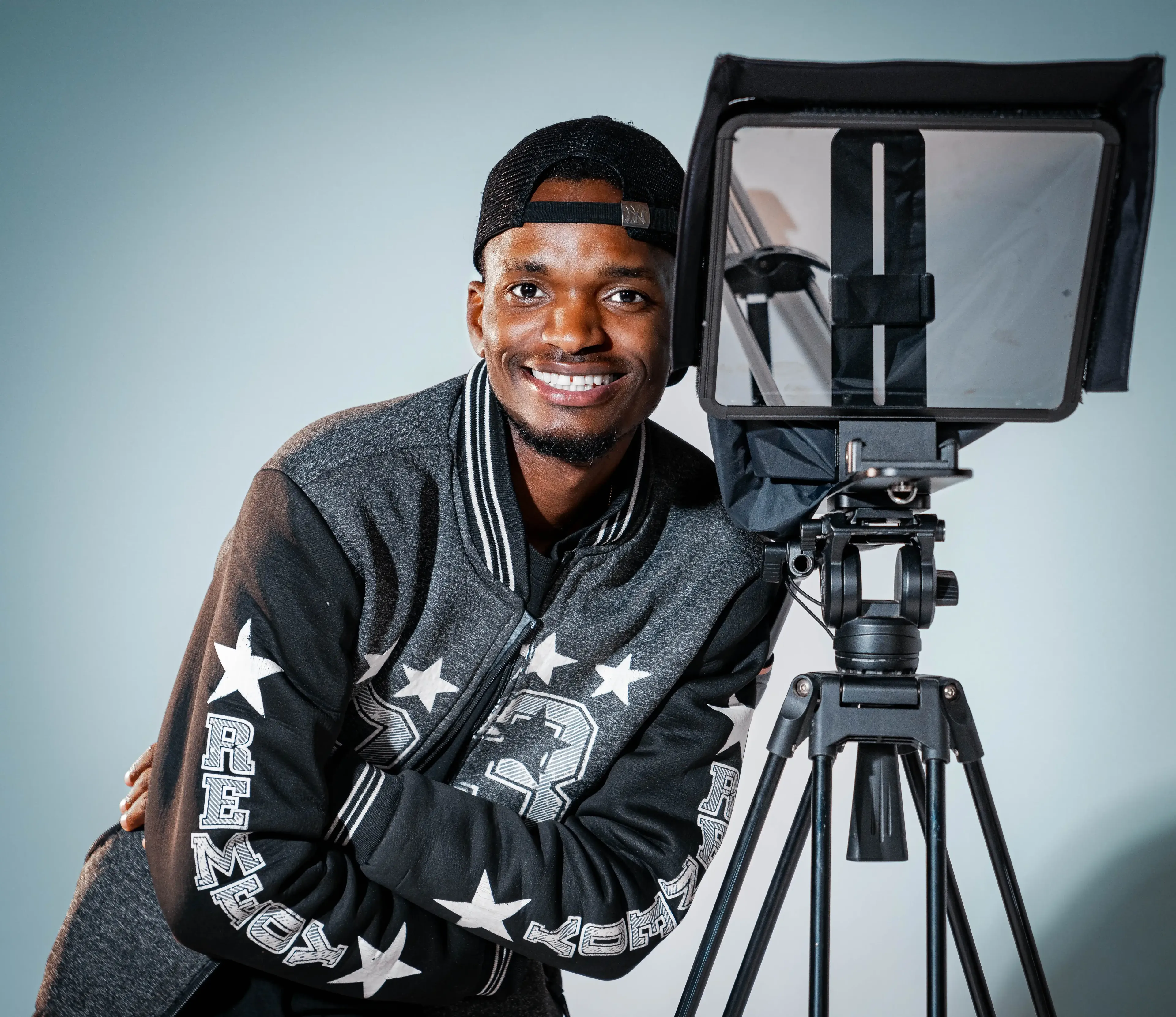
What corporate video production actually involves
A walk through the actual stages of a corporate video project, from the first brief to the final exported file, and what separates a simple profile video from a documentary-style piece.
Most business owners who commission their first video have no idea what happens between saying "yes" and receiving a finished file. The process looks mysterious from the outside: a crew shows up, cameras roll, and weeks later a video appears in an inbox. In reality it is a sequence of ordinary, repeatable steps, each one shaping what the final video looks and feels like. Understanding those steps in advance is what separates a smooth production from a stressful one.

The brief and the shot list come before anything else
Every project starts with a brief: who the video is for, where it will be seen, and what it needs to make someone do or feel afterward. For a straightforward company profile video, that brief usually turns into a shot list, a simple document naming the interviews, locations, and B-roll needed to cover the story in a day or two. A documentary-style piece needs more than a shot list; it needs a script or treatment that maps out a narrative arc, because the story is built around real people and real events rather than a set of predictable corporate shots. Skipping this stage is the single biggest reason corporate videos come back feeling generic.
What actually happens on the shoot day
A typical corporate profile shoot runs one full day with a crew of three to five people: a director or producer, a camera operator, someone on sound, and often a second camera or lighting assistant. Interviews take longer than people expect, usually 30 to 45 minutes per person once lighting and framing are set, and B-roll of offices, staff, or products fills the gaps between them. Documentary-style projects rarely fit into one day. Filming real events as they unfold, following a subject across locations, or covering something like a health outreach program means the schedule bends around when things actually happen, not the other way round.
Editing, revisions, and getting the format right
Post-production is where the raw footage becomes a story: selecting the best interview answers, building a rough cut, adding music and graphics, then refining it through one or two rounds of client feedback. A simple profile video can be edited and delivered within one to two weeks; a documentary-style piece with a longer runtime and a more deliberate pace usually takes longer because the structure itself is worked out in the edit, not just the pacing. The final file also needs to exist in more than one shape: a widescreen version for a website or TV screen, a square or vertical cut for social media, and sometimes a shorter teaser trimmed down to the first ten seconds that actually matter online.
How this fits into a wider production
This is the process behind the corporate and documentary-style work Tigzozo Media has done for clients including CABS and Old Mutual, handled through the company's video production service out of its Newlands studio in Harare. Every project, whether a two-minute profile video or a longer documentary-style piece, moves through the same brief, shoot, and edit stages described above.