

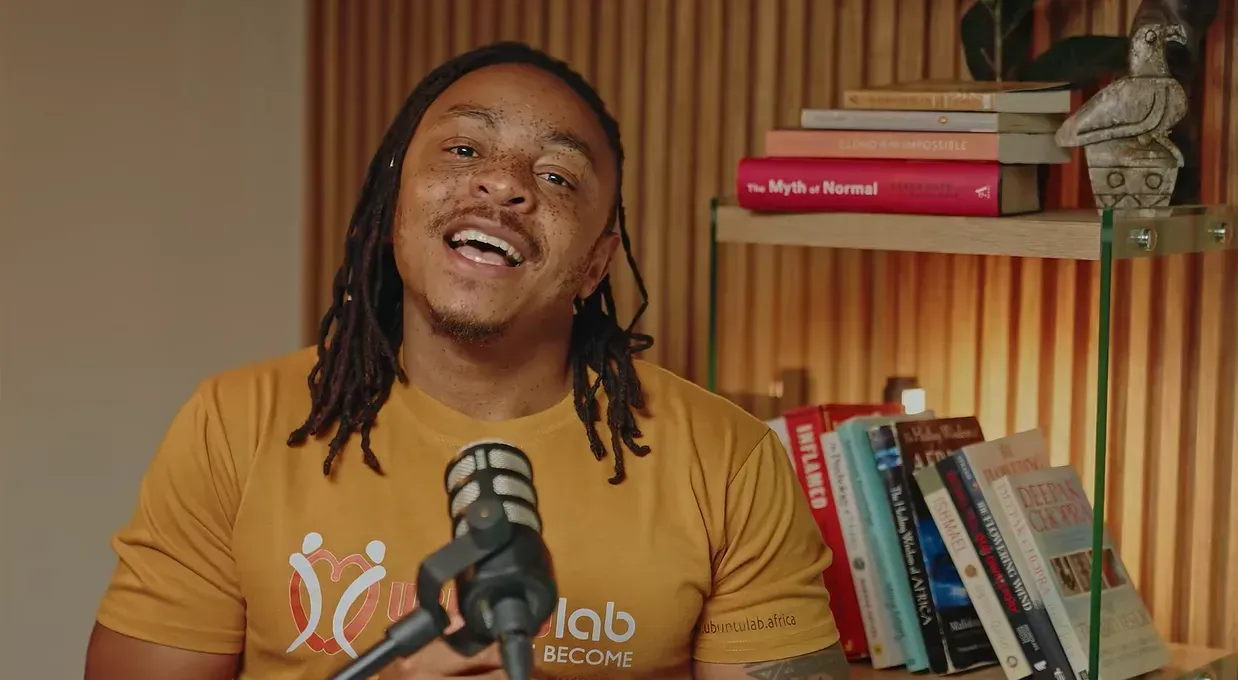
How to start a podcast: the practical basics
A practical rundown of what actually decides whether a podcast survives its first year: format, schedule, minimum gear, and getting episodes onto the platforms that matter.
Most podcasts die within their first few months, and almost never because the sound quality was bad. They die because the person recording them didn't plan for what happens after the excitement of episode one wears off. If you have an idea and nothing else, the fastest way to lose it is to spend three months researching microphones instead of hitting record. The basics that actually decide whether a podcast survives are format, schedule, and what you do with the finished file.
Pick a format you can sustain, not just one you like
A weekly interview show, a solo monologue series, and a two-host conversation format all take different amounts of preparation, and only one of them will fit into the life you actually have. Interviews mean chasing guests, scheduling around their availability, and researching before every recording, which is real work even before you press record. A solo or two-host format is easier to control because you're not dependent on anyone else's calendar. Decide on a schedule you can hold for a year before you decide on a release day, because a show that comes out "whenever" rarely builds an audience that comes back.
The minimum viable setup, and what a studio adds
A decent USB microphone, a laptop, and free recording software is enough to start: no interface, no acoustic treatment, no camera required. What that setup won't give you is consistent room sound if you record in different locations, clean video if you plan to put clips on social media, or someone else handling the technical side while you focus on the conversation. A studio adds a controlled acoustic space, proper lighting, and multi-camera video capture, which matters more once you're trying to produce video versions for social platforms.
Consistency matters more than polish, then get it out there
The first ten episodes of most podcasts sound rough, and that's fine, because listeners forgive audio quality far more than they forgive a show that disappears for six weeks. Publish on a schedule you can hold, even if it means fewer episodes with more space between them. Distribution is simpler than it looks: submit your RSS feed once to Apple Podcasts and Spotify and most other platforms pull from the same feed automatically. If part of your plan includes growing on social media, record video at the same time as audio, since a five-minute clip is often what gets someone to go listen to the full episode.
Where a studio like Podbeat fits in
If the equipment learning curve is the thing keeping the idea in your notes app, that's a specific, solvable problem, not a reason to give up on the show. Tigzozo's studio brand, Podbeat, exists for people who want the room, the microphones, and the video setup already sorted so they can focus on the conversation. Either path works: what determines whether the podcast is still running in a year is the schedule, not the studio.