

Podcast production in Zimbabwe: what a studio actually provides
A working studio is a room built around acoustics, cameras and a workflow that turns one conversation into files for several platforms.
Podcasting in Zimbabwe has moved past two people on a laptop with earbuds in. More shows are recorded on proper microphones, in a treated room, with cameras running the whole time, because audiences now expect to watch as much as they listen. That shift changes what "podcast production" actually means, and it changes what a studio needs to have ready before anyone sits down to record.

What's in the room before anyone speaks
A podcast studio starts with the acoustics, not the microphones. Untreated rooms produce echo and reflection that no amount of editing removes cleanly, so panels, foam and sometimes a false ceiling go in first. On top of that sits the actual recording chain: dedicated microphones for each speaker, an audio interface or mixer, and headphones so guests can hear themselves without bleed into the recording. None of this needs to be complicated, but skipping any one part of it shows up in the final audio.
Why the camera setup matters as much as the microphone
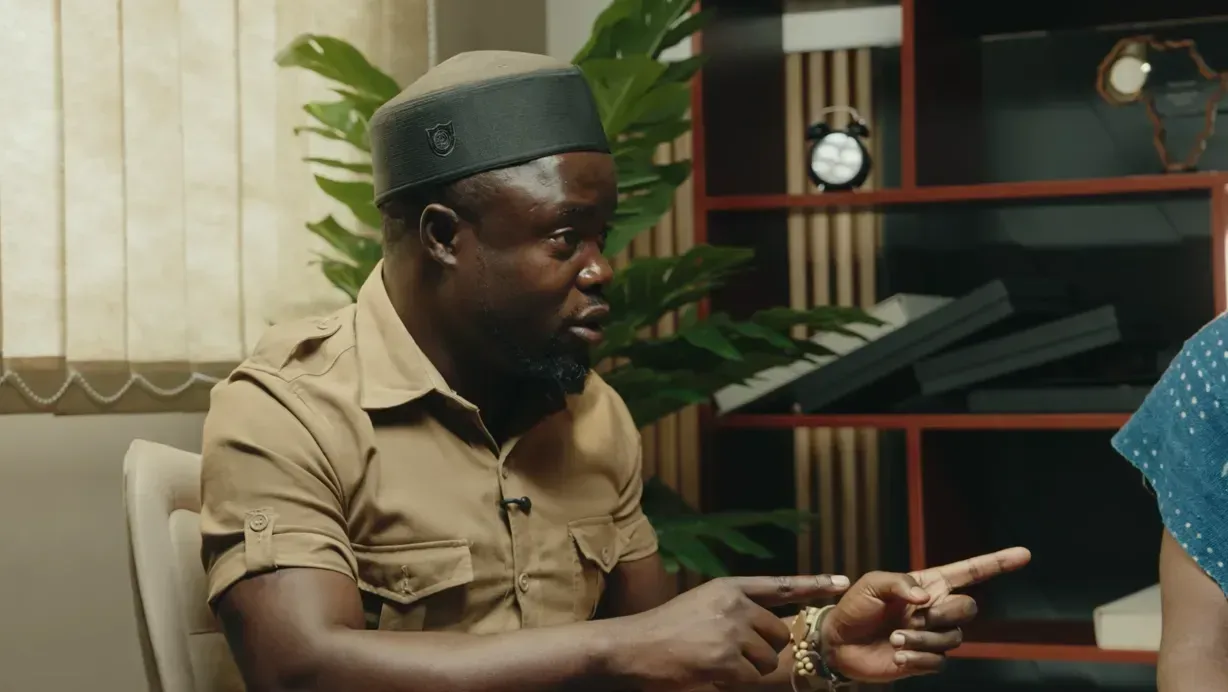
Audio-only podcasts still exist, but most listeners now find a show through video clips on social platforms first. That means a studio has to run two or more cameras at once: a wide shot of the whole conversation and individual angles on each speaker, so an editor can cut between them the way a television interview does. Lighting has to be set for camera, which is a separate job from treating the room for sound. A host and one guest is the simplest version of this, but the same multi-camera approach applies whether there are two people at the table or five.
Editing for more than one platform, and who actually needs it
Recording is maybe half the job. The raw files get edited into a full episode for audio platforms, a full video version for YouTube, and shorter vertical clips for Instagram and TikTok, each cut differently because the platforms behave differently. Who books this kind of setup varies: individual creators building a personal brand around a niche, businesses that want a recurring thought-leadership series instead of one-off interviews, and people who just need a short run of episodes with a handful of guests and no ongoing commitment.
Where this actually happens
Tigzozo runs its podcast studio under the Podbeat brand in Newlands, with the acoustic treatment, multi-camera setup and editing workflow described above built into the space. Family Wealth with Esther, a podcast about family, legacy and money, is one example of what has come out of that studio, video and audio both, ready for the platforms it needed to reach.